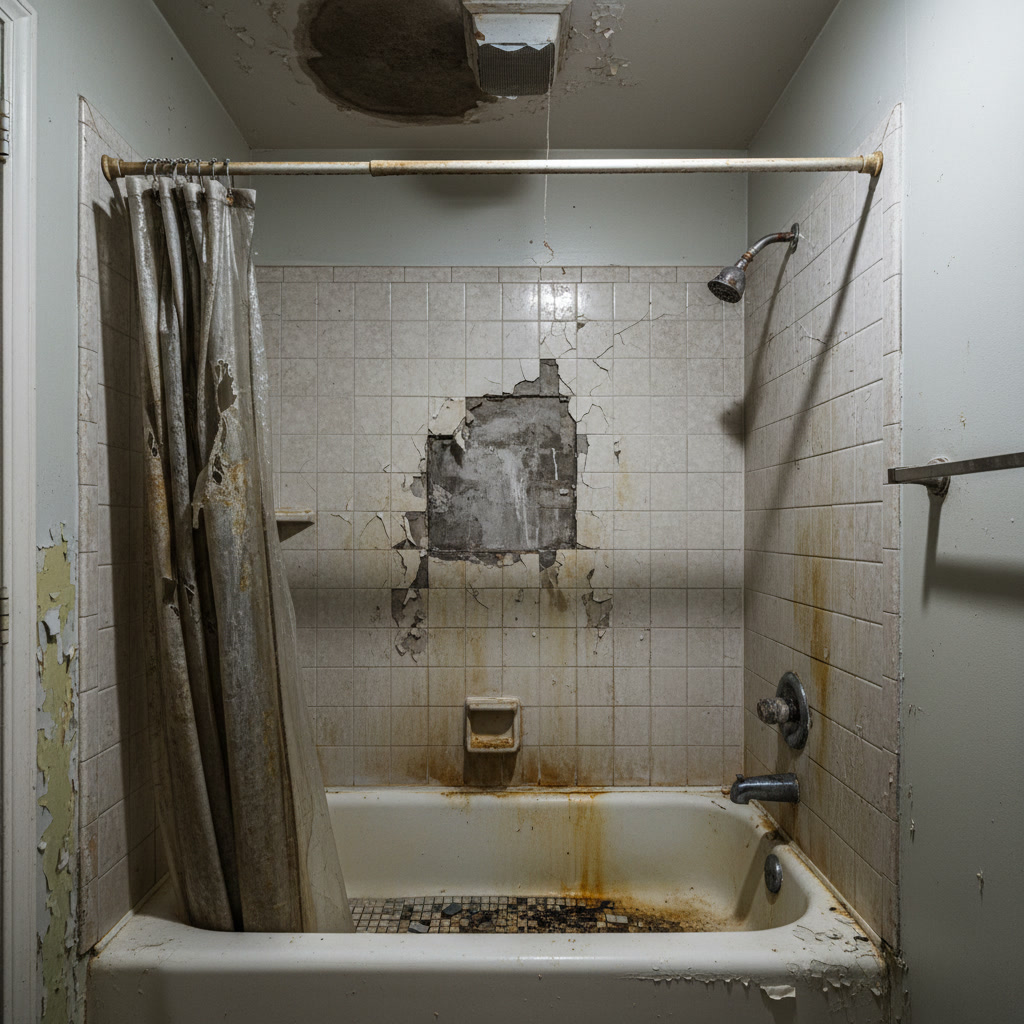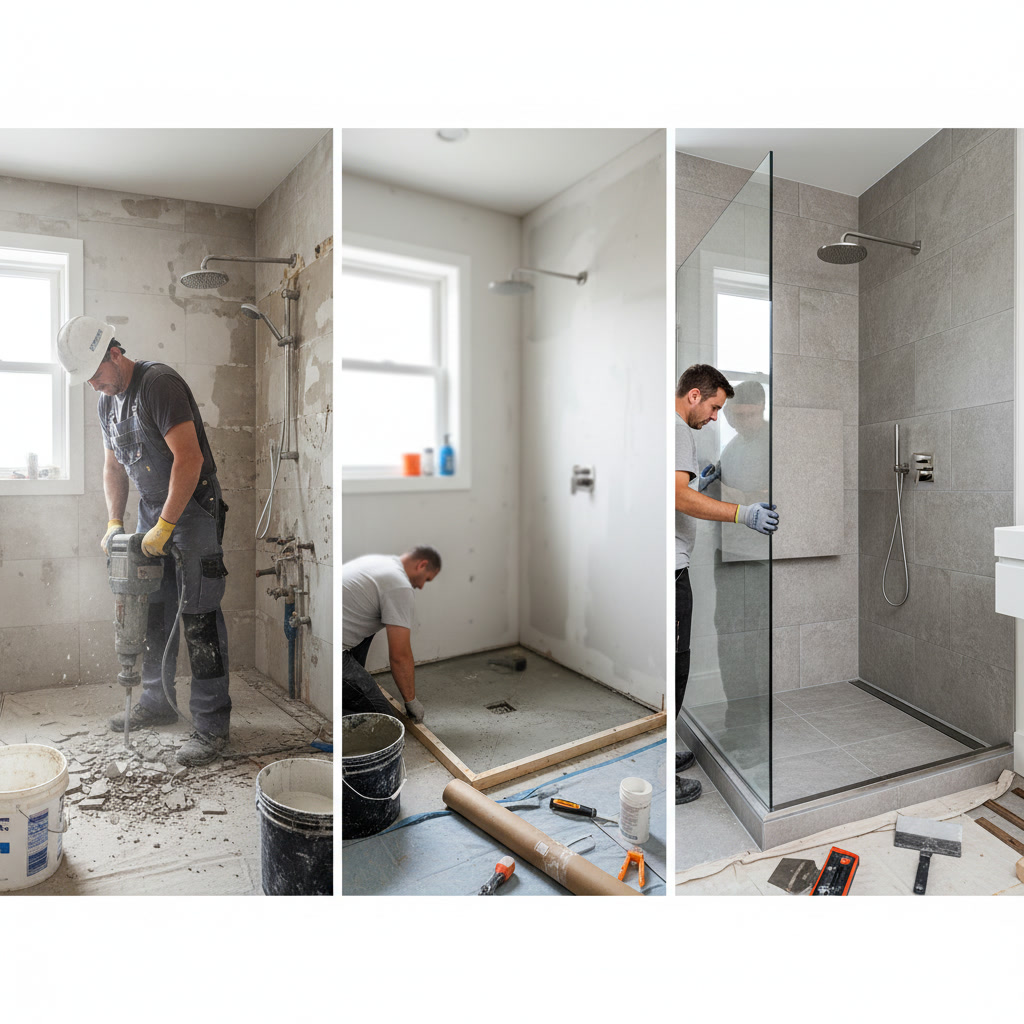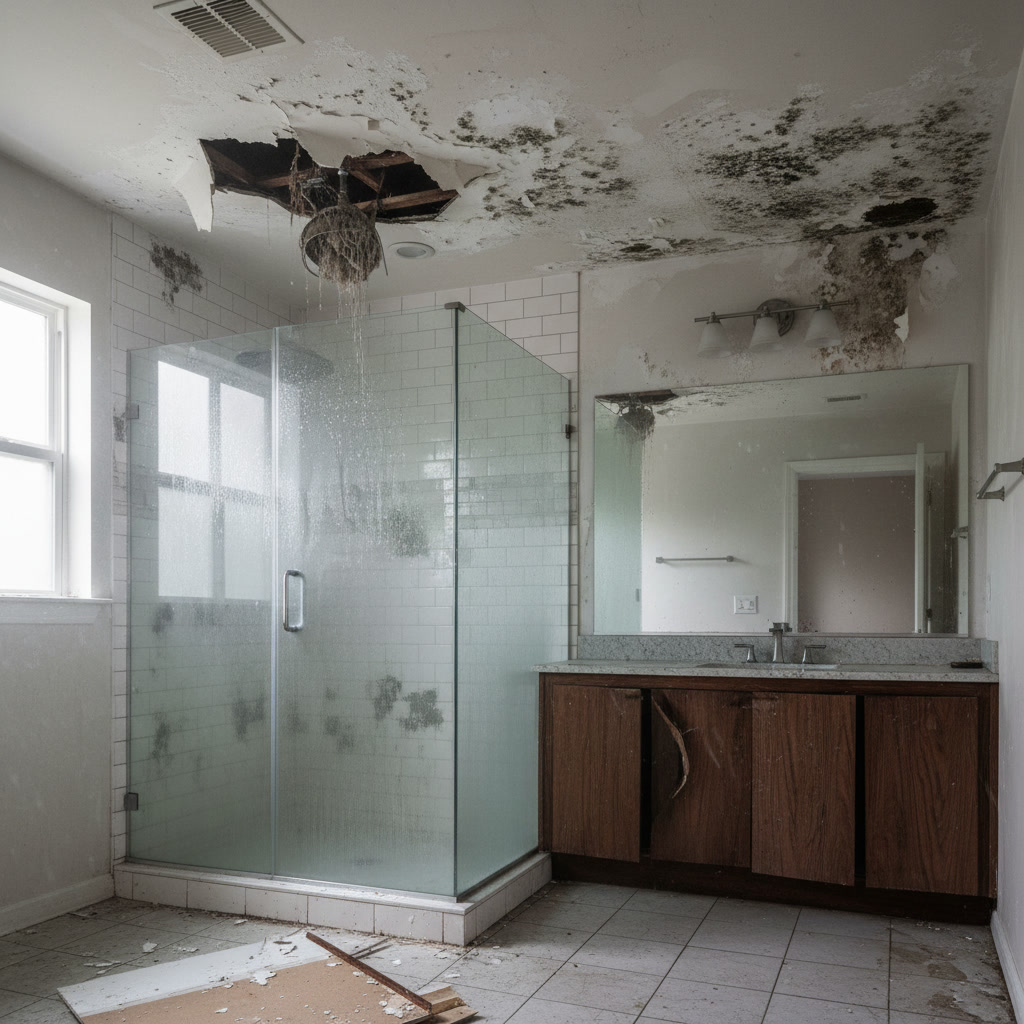


Understanding how bathroom remodeling works starts with a clear process: accurate measurement and assessment, transparent pricing, proper waterproofing and substrate preparation, installation of fixtures and finishes, and a thorough final walkthrough. Each phase builds on the last, and skipping steps or cutting corners creates problems that show up months or years later. South Louisiana’s humidity demands extra attention to moisture barriers and material selection, making the sequence and quality of each step even more critical.
Why Most Bathroom Projects Fail Before They Start
Most bathroom failures trace back to poor planning or shortcuts taken during the first days of a project. A contractor who skips accurate measurements ends up ordering the wrong tub size or discovering halfway through demolition that the drain location won’t work. Materials chosen for price instead of performance start delaminating within two years. Moisture barriers installed incorrectly let water seep behind tile, rotting out studs and subfloors long before the homeowner notices anything wrong on the surface.
The difference between a bathroom that lasts a decade and one that needs repairs in three years comes down to decisions made before any demolition begins. Experienced remodelers catch problems during the planning stage when fixes cost hundreds instead of thousands. They know which products survive in high humidity, which layouts work in older homes, and where hidden costs live in a project scope.
The Initial Consultation Sets Every Expectation
The first meeting establishes whether a remodeling company understands your goals and whether their process matches your expectations. A good consultation includes precise measurements of the existing space, discussion of how the bathroom gets used daily, and honest talk about what fits within your budget. The remodeler should ask about problem areas like mold, slow drains, or water damage, since those issues affect both scope and cost.

Transparent pricing starts here. Vague estimates lead to mid-project surprises when the contractor discovers something they should have anticipated. Detailed quotes break down material costs, labor, permits, and contingencies for common issues found in older homes. You should leave the consultation knowing what the project will cost, how long it will take, and what disruptions to expect.
Accurate Measurement Prevents Expensive Mistakes
Professional remodelers measure twice and order once. They verify rough-in dimensions for plumbing, check floor level and wall plumb, and confirm that door swings and fixture placements won’t create tight spots. A tub that arrives three inches too wide for the alcove costs time and money to return, and trying to force it in creates gaps that leak.
In older homes around Lafayette and Acadiana, nothing sits square or level. Walls lean, floors slope, and corners rarely form true right angles. Experienced installers account for these variations during measurement, building shim plans and adjustment strategies into the project before materials arrive. That preparation means fewer surprises during installation and a finished product that looks and functions correctly despite the quirks of an older structure.
Material Selection in Acadiana Requires Humidity Awareness
South Louisiana humidity destroys bathroom materials that work fine in drier climates. Particleboard vanities swell and delaminate. Certain tile adhesives never fully cure in high moisture. Paint without proper mildewcide turns black within months. Choosing materials that survive local conditions requires experience with what actually holds up, not just what looks good in a showroom.
Proper material selection also affects warranty coverage. Manufacturers void warranties when products get installed in conditions outside their specifications or when incompatible materials get combined. A knowledgeable remodeler selects coordinated systems where adhesives, membranes, and finish surfaces work together as designed, preserving both performance and warranty protection.
Demolition and Substrate Preparation Reveal Hidden Problems
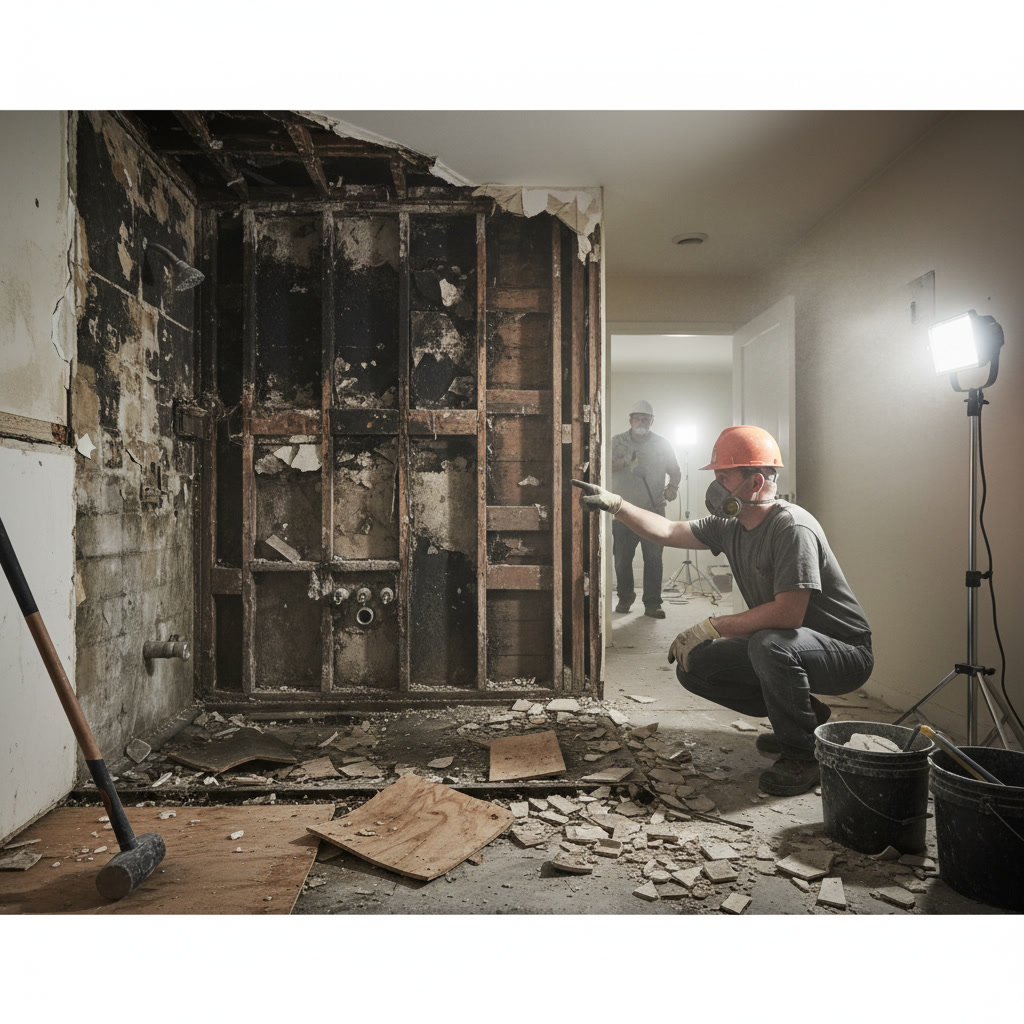
Once demolition starts, the real condition of the space becomes visible. Soft subfloors, rusted pipes, outdated wiring, and mold growth often hide behind walls and under old tile. Experienced remodelers anticipate these issues and include contingency allowances in their quotes. They also know when to call in a plumber or electrician before proceeding, avoiding code violations that create liability down the road.
Substrate preparation determines how long the new bathroom lasts. Every surface that touches water needs proper waterproofing, not just the shower pan. That means waterproof backer board on walls, sealed seams, and membrane systems that extend beyond wet areas. Corners, transitions, and penetrations get extra attention because those spots leak first. Proper preparation takes extra time but eliminates the callbacks that come from moisture damage.
The Installation Sequence Matters More Than Most Realize
Professional installations follow a specific sequence. Rough plumbing and electrical come first, followed by inspection if required. Waterproofing and backer board go in next, with all seams and penetrations sealed. Tile or wall panels follow, installed from back to front and bottom to top. Fixtures and trim come last, after all surfaces are complete and cured.
Rushing this sequence or working out of order creates problems. Installing a vanity before tile means cutting tile to fit instead of letting the vanity sit on a finished floor. Setting a toilet before grout cures risks cracking tile. Each trade needs completed, cured surfaces to work against, and deviating from the correct order usually means redoing work or accepting substandard results.
Step by Step Through a Typical Tub to Shower Conversion
A tub to shower conversion follows a predictable process that takes most experienced crews three to five days for standard layouts:
- Day one includes demolition of the existing tub, removal of surrounding tile or panels, and inspection of the substrate and plumbing.
- Day two involves any necessary plumbing modifications, installation of a new shower base, and waterproofing of walls and transitions.
- Day three covers wall panel or tile installation, with careful attention to corners, edges, and the connection between walls and the shower base.
- Day four includes fixture installation (valve trim, showerhead, grab bars, shelving) and caulking of all seams and transitions.
- Day five allows for final details, cleanup, and the final walkthrough with the homeowner.
This timeline assumes no major surprises and a straightforward layout. Discovering rot, outdated plumbing, or structural issues adds time but catches problems before they worsen. Transparent contractors explain delays as they occur and adjust schedules rather than rushing through problems to meet an arbitrary deadline.
Site Protection and Cleanliness Separate Professionals From Amateurs
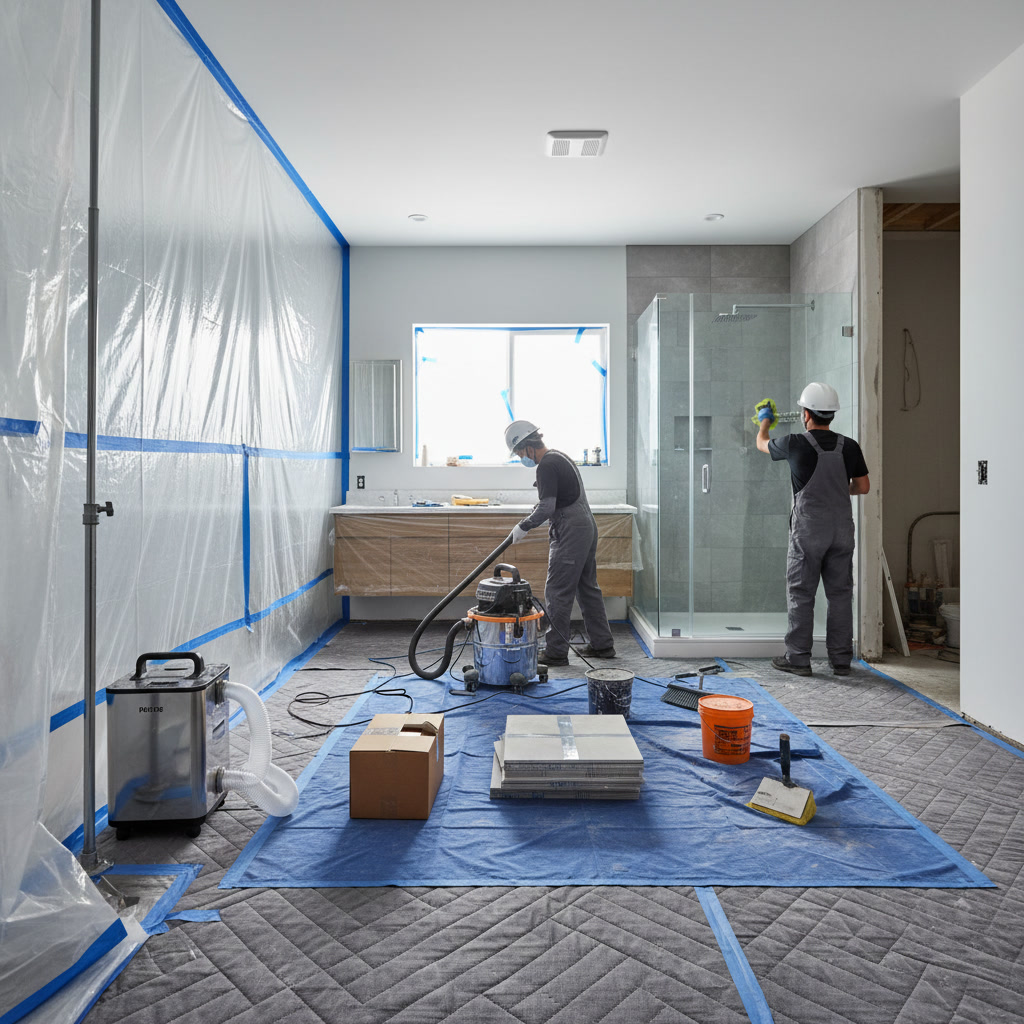
A contained job site keeps dust, debris, and damage out of the rest of your home. Professional crews lay floor protection from the entry door to the work area, hang plastic barriers to control dust, and run exhaust fans to maintain negative pressure in the work zone. They remove debris daily instead of letting it pile up, and they leave the space broom-clean at the end of each day.
Site cleanliness also affects quality. Dust that settles on adhesive prevents proper bonding. Debris left in a shower pan clogs drains or prevents proper sloping. A clean site signals that the crew cares about details and takes pride in their work, traits that show up in the finished product.
Communication Prevents the Surprises That Derail Projects
Clear communication means you know what is happening each day, what to expect next, and how any changes affect cost or timeline. Professional remodelers provide a project schedule upfront, update you when plans shift, and explain options when unexpected conditions arise. You should never wonder whether the crew is coming tomorrow or discover a significant change after the fact.
Good communication also includes documentation. Photos of hidden conditions, change orders for scope adjustments, and material receipts create a record that protects both parties. This documentation proves useful if warranty issues arise later or if questions come up during the final walkthrough.
The Final Walkthrough Confirms Every Detail
The final walkthrough happens after installation completes but before the crew packs up. You inspect every surface, test every fixture, and verify that all agreed-upon work got completed to standard. Check that doors and drawers operate smoothly, that caulk lines are clean and complete, that tile joints are consistent, and that all fixtures function correctly.
This is the time to address any concerns. Professional remodelers expect questions and want to resolve issues before closing out the project. They walk you through care and maintenance requirements, explain warranty coverage, and provide contact information for future questions. A thorough walkthrough protects your investment and ensures you understand how to maintain your new bathroom.
Why Experience Delivers Results That Estimates Cannot Predict
Thousands of completed installations teach lessons that no manual or training program can replicate. Experienced crews know that certain tile sizes work better in small spaces, that specific valve brands cause fewer callback issues, and that older homes in the region share common quirks. They recognize warning signs of hidden damage during demolition and know which fixes to prioritize.
Acadiana Bathrooms brings that depth of experience to every project, built on the same installation standards and crews that have handled thousands of home improvement projects across the region. Proper installation trumps cosmetic shortcuts every time, and that philosophy shows up in bathrooms that still look and function correctly years after completion.
If your bathroom needs updating or you are dealing with fixtures that no longer serve your household well, working with a team that prioritizes proper process over speed makes all the difference. Call +1 (337) 264-2585 to discuss your project and receive transparent pricing with no mid-project surprises.