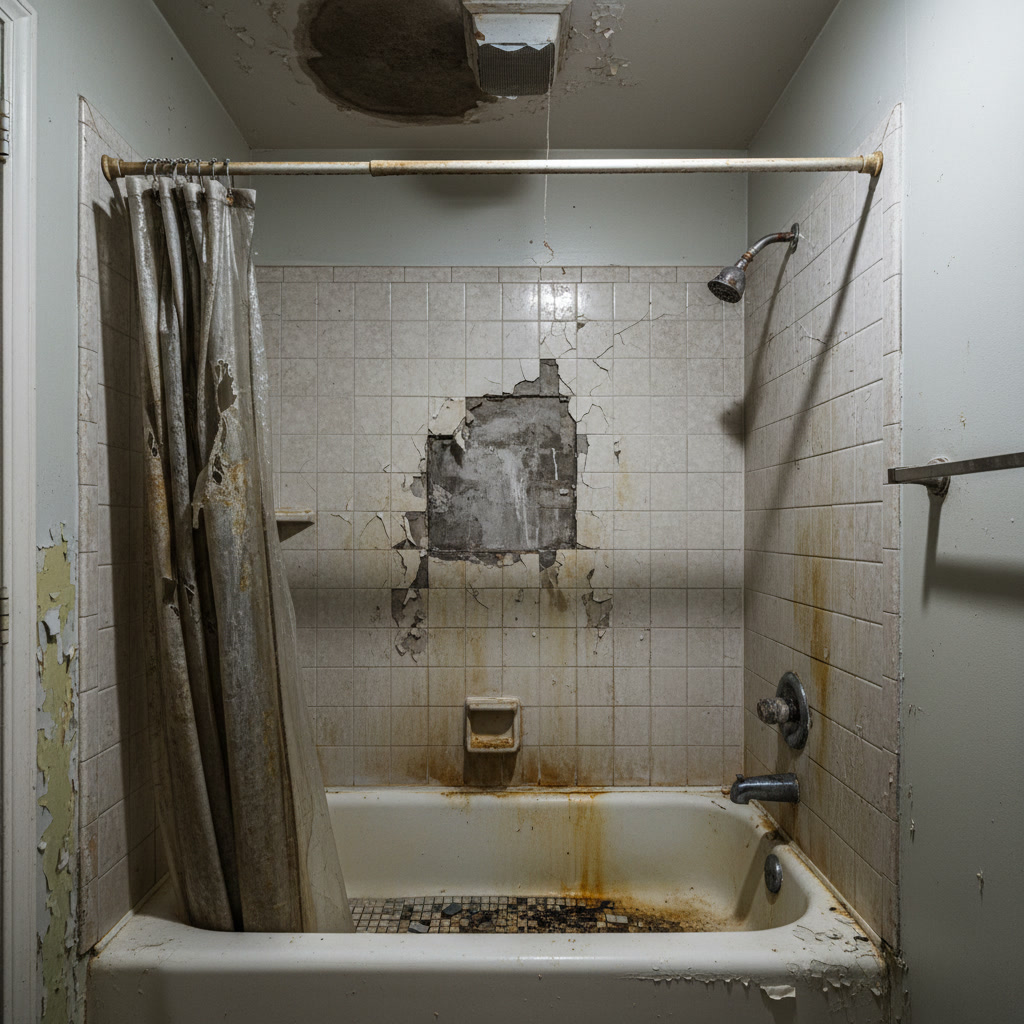

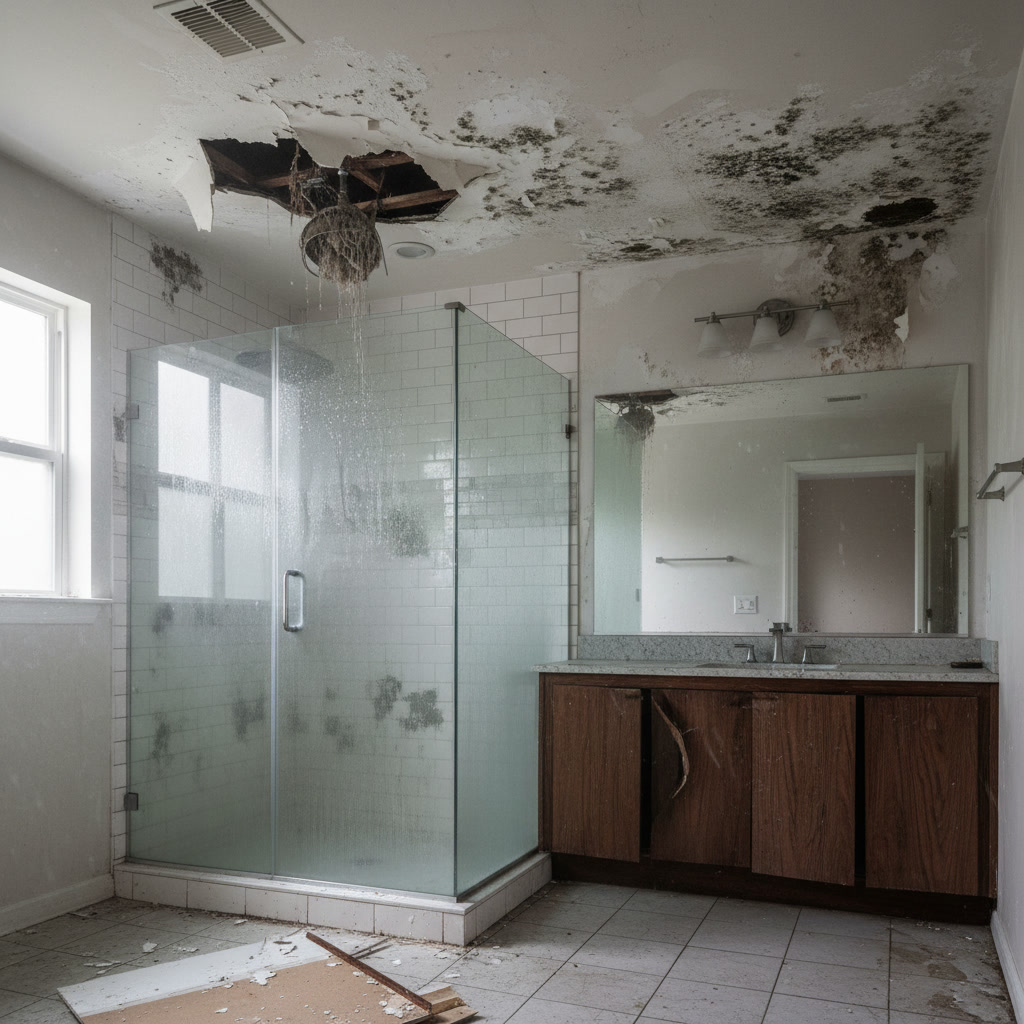
Most bathroom remodel moisture problems start the moment an installer chooses speed over proper waterproofing. In humid regions like South Louisiana, the failure isn’t visible until water has already penetrated behind tile, rotted the subfloor, and compromised structural framing. By the time you notice soft drywall or a musty smell, the damage has been compounding for months or years.
High humidity doesn’t forgive shortcuts. The same installation techniques that work fine in Arizona will destroy a bathroom in Louisiana within five years. Understanding why these projects fail gives you the knowledge to demand better from your contractor and protect your investment from day one.
How Humidity Changes Every Installation Decision
Moisture saturates the air year-round in the Gulf South. Your bathroom materials absorb that humidity constantly, even when the shower isn’t running. Standard drywall becomes a sponge. Improperly sealed grout lines turn into pathways. Ventilation that seems adequate in dry climates can’t keep up when outdoor air holds 80% relative humidity.
The math is simple: moisture moves from high concentration to low concentration. When outside air is nearly saturated and your bathroom generates even more steam, that water has nowhere to go except into your walls. Materials that don’t account for this constant exposure fail predictably and expensively.
The Real Cost of Cutting Corners on Waterproofing in Acadiana
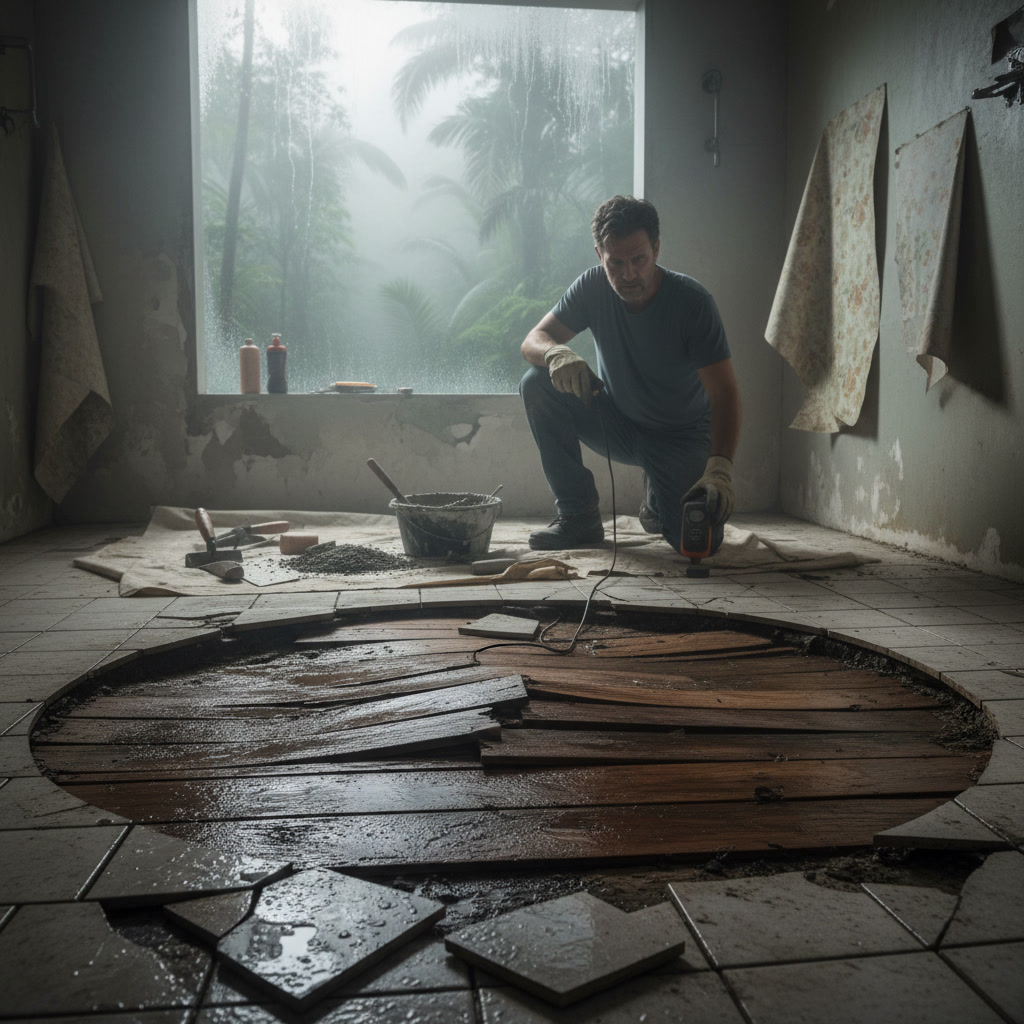
A bathroom renovation in Acadiana demands waterproofing standards that go beyond minimum code. The difference between a 10-year installation and a three-year failure often comes down to a few hours of prep work and a couple hundred dollars in materials. Contractors chasing the lowest bid skip the vapor barrier, use paper-faced backer board, or rely on caulk instead of proper membrane systems.
You won’t see the savings. What you will see is mold growing behind your shower surround, tiles popping loose as the adhesive breaks down, and floor joists that need replacing because water pooled underneath for two years. The cost to fix these problems typically runs three to five times what proper installation would have cost originally.
Three Critical Failures That Ruin Bathroom Remodels
Most projects fail in predictable ways. Recognizing these patterns helps you ask the right questions before signing a contract.
Inadequate Substrate Preparation
The surface behind your tile matters more than the tile itself. Installers who mount directly to standard drywall or use moisture-resistant board without a waterproof membrane create a ticking clock. The first failure point is usually where the wall meets the tub or shower pan. Water wicks up through capillary action, even if the installer caulked the joint.
Poor Ventilation Design
A builder-grade exhaust fan rated for 50 cubic feet per minute can’t handle the moisture load in a poorly designed bathroom. The fan needs to move enough air to create negative pressure, pulling humid air out faster than the shower produces it. Undersized fans, improper ducting, or vents that terminate in the attic instead of outside all guarantee moisture buildup.
Wrong Material Selection
Not every product marketed for bathrooms actually survives in high humidity. Laminate flooring advertised as water-resistant will still swell and buckle when exposed to steam daily. Certain grouts remain porous no matter how well you seal them. Choosing materials based on price or appearance without understanding their performance in humid climates leads directly to premature failure.
What Proper Moisture Barriers Actually Look Like
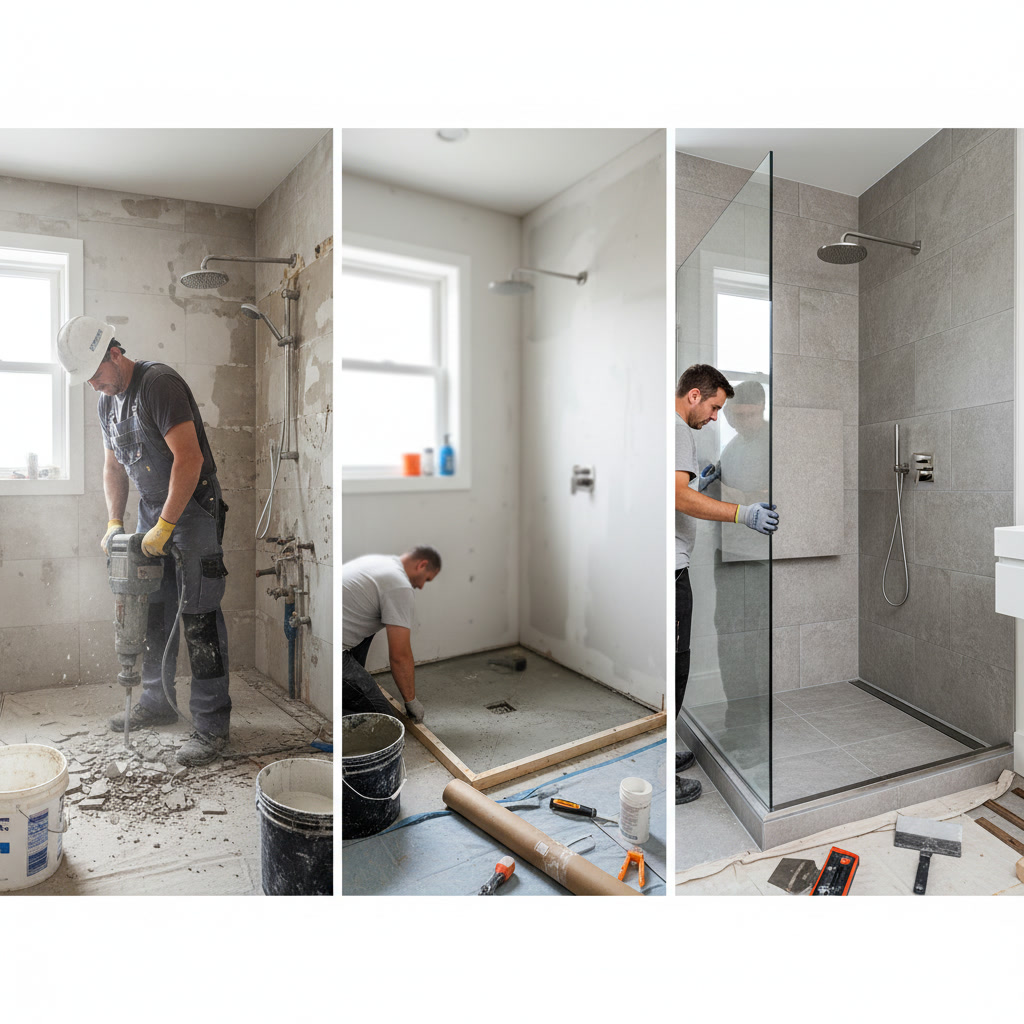
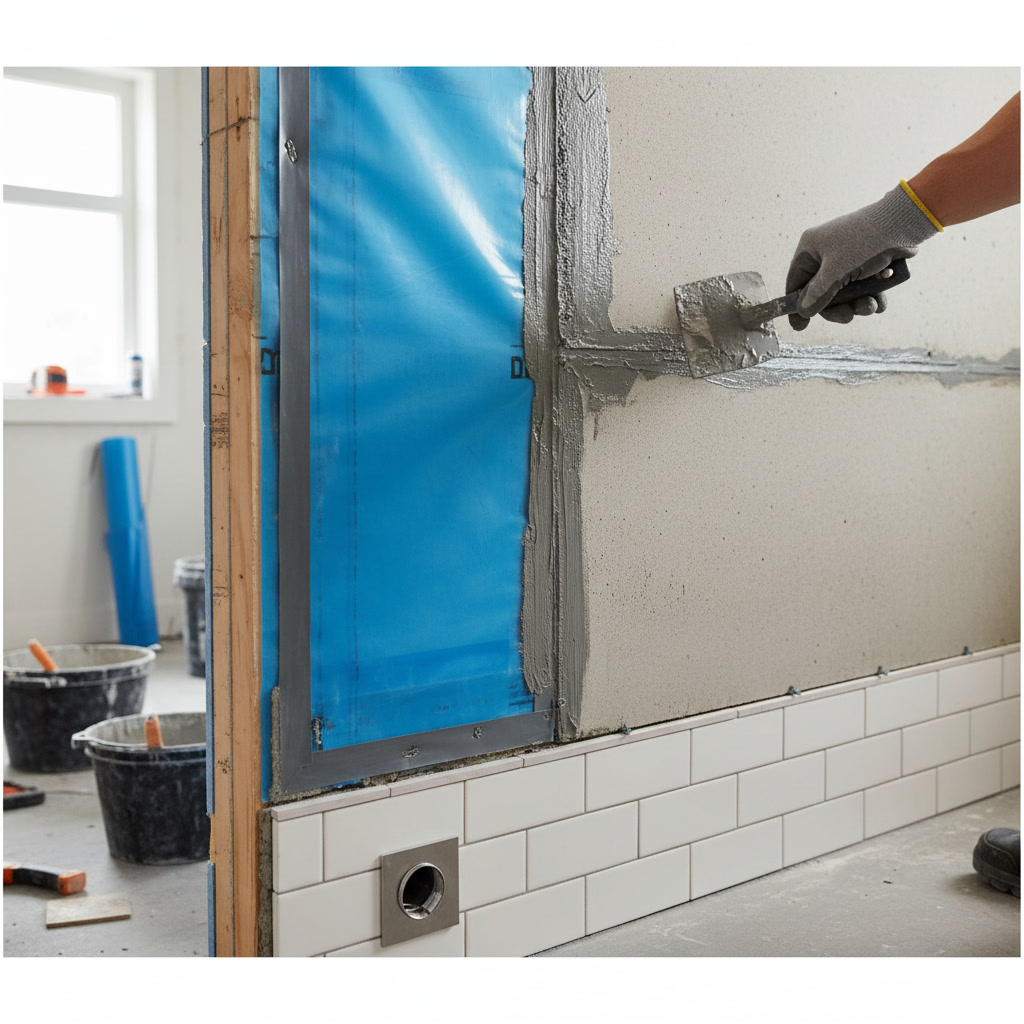
A correctly waterproofed shower or tub surround starts with cement board or foam backer attached to properly spaced studs. Every seam gets taped with alkali-resistant mesh. A liquid or sheet membrane covers the entire surface, lapping over the edges of the shower pan and extending at least six inches beyond the wet area.
Inside corners get reinforcing fabric embedded in the membrane. Valve penetrations are sealed with gaskets or collars designed for that specific purpose. The system creates a continuous, impermeable layer from the ceiling down to the subfloor. Only after this barrier is complete and inspected does tile installation begin.
This level of detail adds maybe four hours to a typical shower replacement. Those four hours determine whether your investment lasts eight years or 20.
Why Ventilation Solves Half the Problem
Even a perfectly waterproofed bathroom will develop problems if moisture can’t escape. Ventilation isn’t optional in South Louisiana. The exhaust system needs to match the room size, shower configuration, and local climate.
Calculate the requirement by multiplying room volume by eight air changes per hour. A standard 50-square-foot bathroom with eight-foot ceilings needs a fan rated for at least 53 CFM. Larger spaces, enclosed showers, or rooms without windows need more capacity. The fan should vent directly to the exterior through rigid or semi-rigid duct with minimal bends. Flexible duct creates resistance and reduces actual airflow by 20% to 30%.
Timers or humidity-sensing switches ensure the fan runs long enough after each shower to clear moisture completely. Leaving this to user memory fails because most people turn the fan off as soon as they leave the room, long before the air dries.
The Subfloor Issue Nobody Talks About
Tile and stone are heavy. A typical porcelain tile installation adds 15 to 20 pounds per square foot. If the subfloor wasn’t built to handle that load, it flexes. Flexing cracks grout, loosens tiles, and breaks the waterproof seal you paid to install correctly.
Bathroom subfloors in many older homes around Lafayette were framed with 16-inch joist spacing and half-inch plywood. That’s adequate for vinyl or linoleum but marginal for ceramic and completely insufficient for natural stone. The fix requires sistering additional joists, adding a second layer of plywood, or installing an uncoupling membrane designed to absorb movement.
Installers who skip this step deliver a beautiful bathroom that starts cracking within six months. The homeowner assumes the tile or grout was defective. The real problem was 30 inches underground, in framing that couldn’t support the finish choice.
How to Spot a Contractor Who Understands Humidity
Ask specific questions. A qualified installer will describe their waterproofing system in detail without prompting. They’ll explain why they chose specific backer board, which membrane product they use, and how they handle transitions and penetrations. Vague answers or assurances that everything is up to code are red flags.
Request references from projects completed at least five years ago. Recent work looks good regardless of installation quality. Bathrooms that still function perfectly after a decade prove the contractor understands moisture management. Acadiana Bathrooms builds every project around these principles, using installation standards developed across thousands of completed renovations in South Louisiana’s unique climate.
Check whether the estimate includes proper substrate prep, waterproof membranes, and adequate ventilation as line items. If those elements aren’t listed separately, they probably aren’t included in the scope. Contractors who lowball estimates often assume you won’t notice the missing steps until after they’re gone.
Material Choices That Actually Survive
Some products are engineered specifically for high-moisture environments. Porcelain tile outperforms ceramic because it absorbs less than 0.5% of its weight in water. Epoxy grout costs more than cement-based options but remains completely waterproof and stain-resistant indefinitely. Solid surface shower pans eliminate the grout lines that cause 90% of pan failures.
Acrylic and fiberglass surrounds get a bad reputation, but high-quality versions outlast poorly installed tile in humid climates. The key difference is the lack of seams and grout lines where water can penetrate. A one-piece unit with properly sealed edges will still look new in 15 years while a budget tile job is being torn out and replaced.
Ventilation fans with built-in humidity sensors and brushless motors run quieter and last three times longer than builder-grade models. Spending an extra 120 dollars on the fan saves you from replacing it twice and dealing with the mold growth that happens when a cheap fan quits after 18 months.
What Happens When You Ignore the Warning Signs
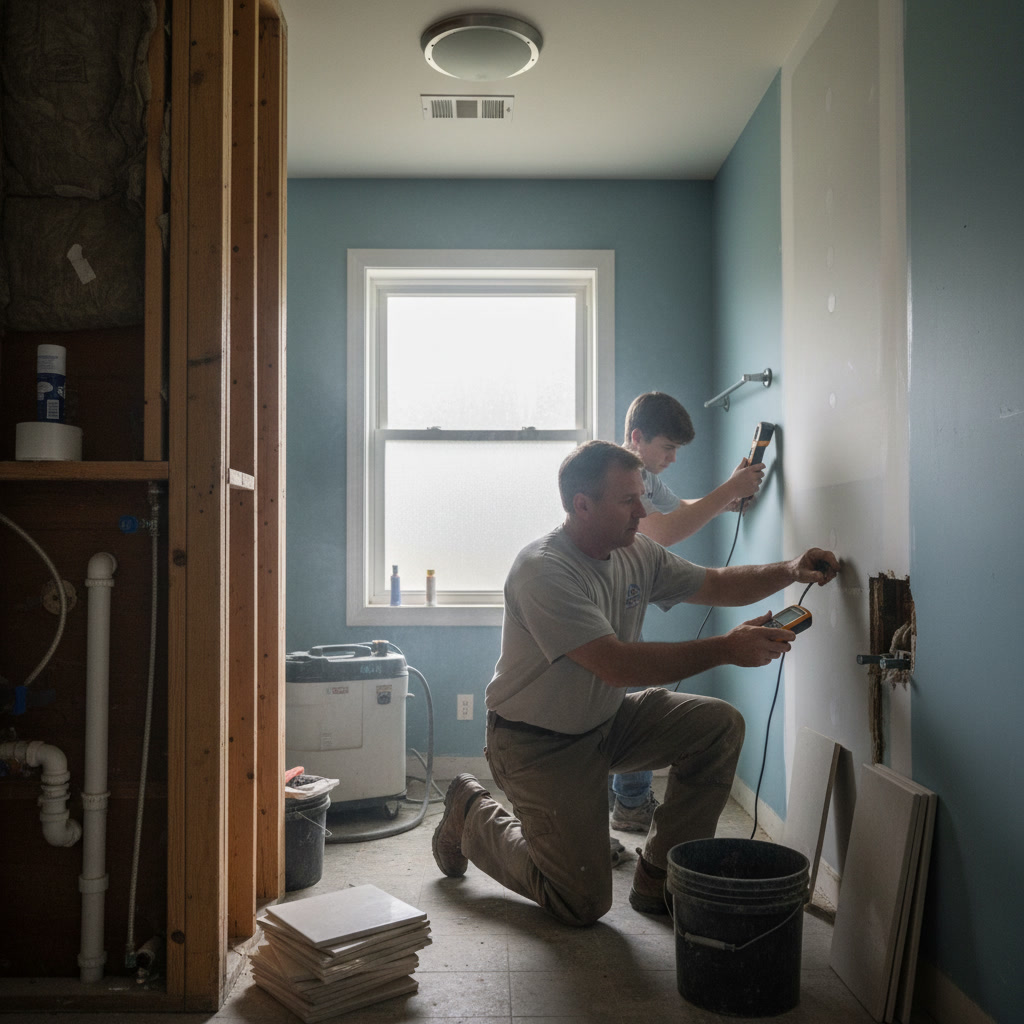
Small problems compound quickly. A tiny crack in the grout lets in a few drops per shower. Those drops wick into the backer board and evaporate slowly. The drywall behind the board absorbs moisture during the day and dries at night. After a few hundred cycles, the paper facing deteriorates and mold takes hold.
You might notice discoloration on the ceiling below the bathroom or a musty smell that doesn’t go away. By that point, the drywall is compromised, insulation is saturated, and framing may have started to rot. What began as a 50-dollar grout repair turns into a 6,000-dollar remediation project.
Manufacturers void warranties when moisture damage appears because it proves improper installation. You’re left paying for the failure even though you hired a professional to avoid exactly this outcome. The original installer is often long gone or unwilling to honor their work once structural damage appears.
Building Bathrooms That Last in South Louisiana
The solution isn’t complicated, but it requires discipline. Start with accurate measurements and realistic load calculations. Install waterproof substrates and membranes as if your subfloor depends on it, because it does. Size ventilation for actual performance, not minimum code. Choose materials based on how they handle constant humidity, not just how they photograph.
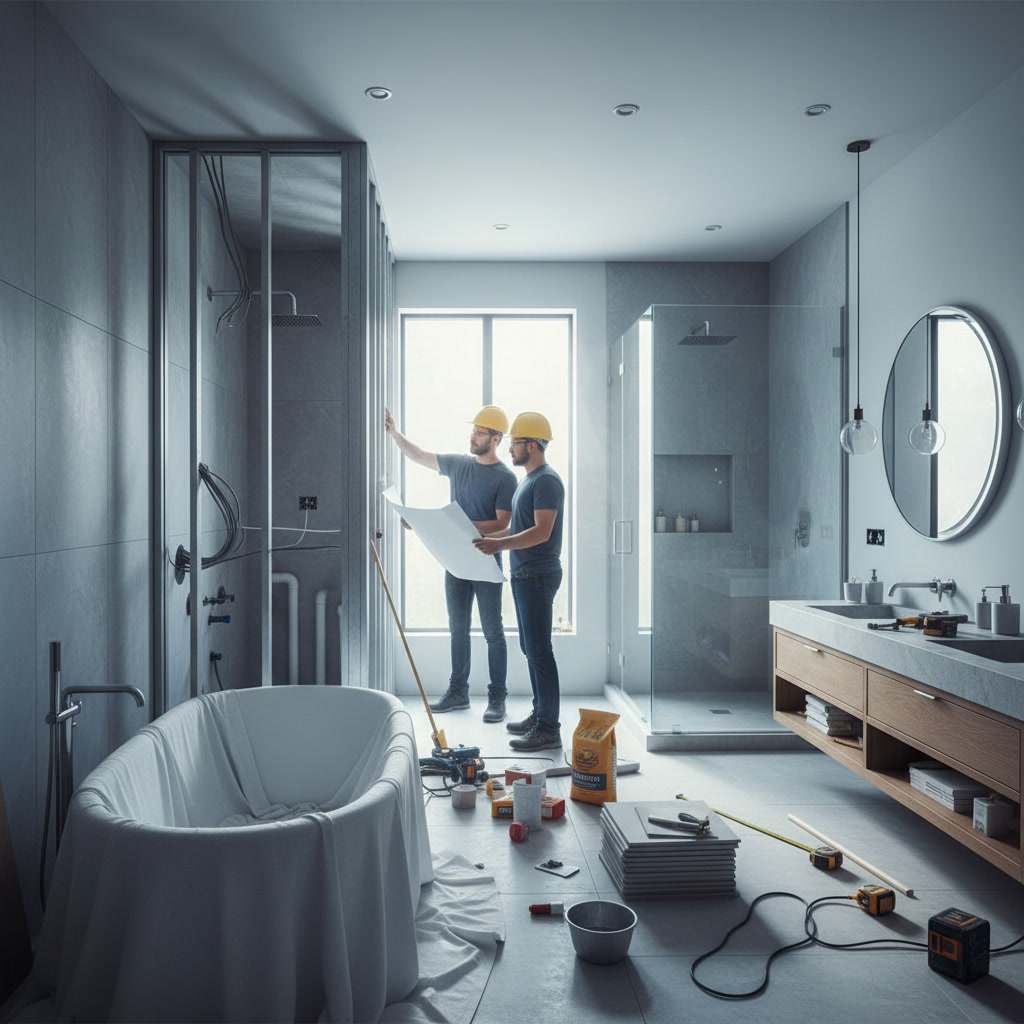
Protect the job site so moisture doesn’t infiltrate during construction. Contain dust and debris so the rest of the home stays livable. Communicate clearly about timelines, costs, and what happens if something unexpected turns up behind the walls. Treat the homeowner’s investment with the same care you’d demand for your own home.
These standards separate bathroom remodels that add value from those that become expensive problems. The difference shows up years after the installer leaves, when your bathroom still looks and functions exactly as it should.
Proper installation eliminates most moisture failures before they start. When you understand what separates lasting quality from cosmetic shortcuts, you can demand the standards your home deserves and avoid the costly repairs that follow cheap work.
If your bathroom needs updating and you want it done right the first time, Acadiana Bathrooms brings the experience and transparency that protects your investment for the long term. Reach out at +1 (337) 264-2585 to discuss your project and get straightforward answers about what your space actually needs.